Housing and Cages
Housing and Cages
By Jayden Miell & Kim Wanke
Cage size:
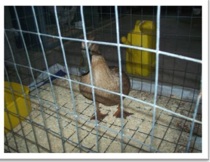
Small Birds
55 cm high x 86 cm wide x 90 cm deep: for 1 medium bird or 2 small birds.
Larger Birds
86 cm high x 86 cm wide x 90 cm deep: for 1 large bird or 1 medium or 2 small birds.
Cages:
Cages normally have 4 sides as well as a top and a bottom. The front side can be like the photo above with food and water inside or on the outside like shown. It is good if birds can have access to natural light. It is recommended that they have straw or saw dust for litter in the bottom of the cage.
Weather:
Make sure that they have protection from the weather. It is also important that birds have airflow and ventilation.
Predators:
Make sure that the doors are kept shut and don’t have very low windows. Check to make sure predators cannot get into the bird’s enclosure.


The Poultry Hub Australia profoundly acknowledges and respects that its foundations, both people and facilities, are established on land rich in the history and traditions of the world’s oldest living culture. PHA values and respects Indigenous knowledge, understanding its importance in our shared history. We acknowledge the strength, resilience, and contributions of the Aboriginal community, we pay our tributes to the Aboriginal Elders – those who guided us in the past, those who lead us today, and those who will enlighten our paths in the future.